Plain weave examples
Plain weave alternates warp and weft in the simplest fabric structure. It is useful for balanced checks, gingham, linen-like surfaces, shirting, canvas, and clean color studies.
Textile weave guide
Textile weaves are fabric structures created by warp and weft threads. This guide compares common types of weaves for fabric, explains how textile weave patterns are built, and shows how to test weave design ideas in TextileWeave before making a sample.
Also useful for
These pages cover adjacent search intents while keeping the workflow focused on editable woven patterns.
Textile examples
Each preview uses the same woven rendering engine as the studio, with yarn simulation enabled for a closer fabric read.
Fabric starters
Open shirting, suiting, scarf, upholstery, blanket, and game fabric starters with formula, colors, and weave structure already prepared.
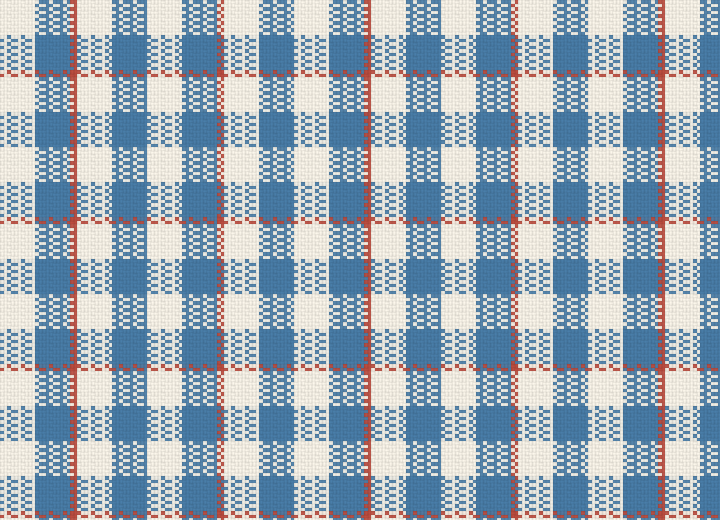
Shirting
A clean oxford-style check for shirt fabric, color trials, and balanced warp/weft planning.
10a10b2c10a10b / 10a10b2c10a10b
Edit this fabric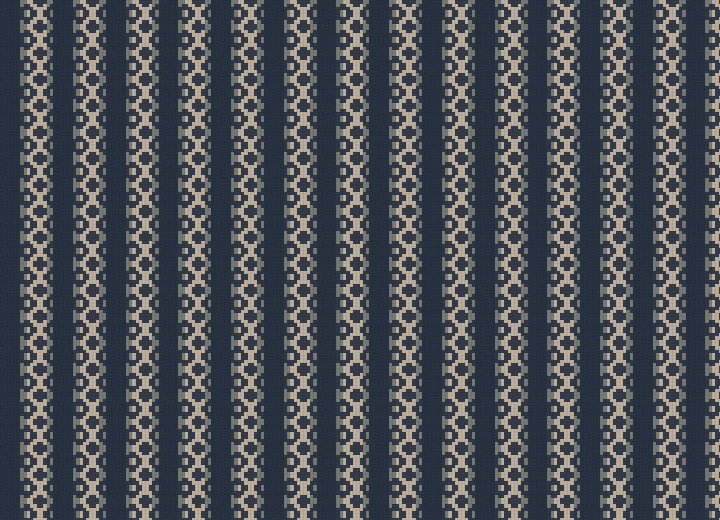
Suiting
A restrained herringbone direction for tailoring, wool suiting, coats, and formal textile previews.
6a2b6c2b / 28a
Edit this fabric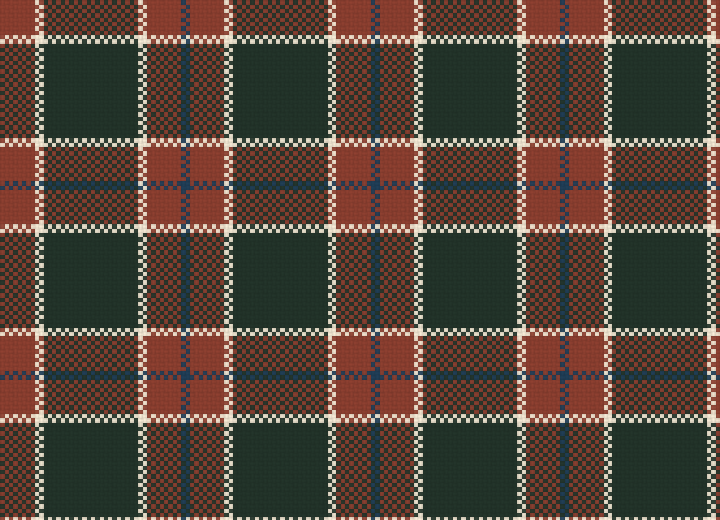
Scarf
A warm tartan-inspired scarf layout with broad fields, guard stripes, and soft wool simulation.
8a2b22c2b8a2d / 8a2b22c2b8a2d
Edit this fabric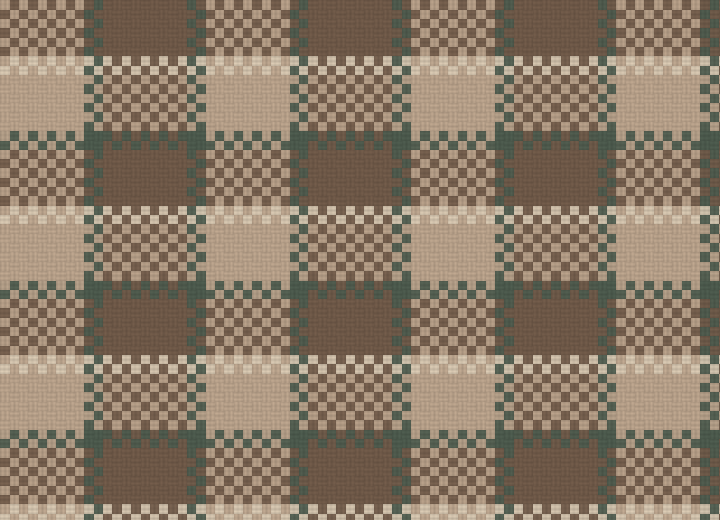
Upholstery
A broader basket weave for interiors, cushions, furniture textile studies, and heavier woven surfaces.
18a4b18c4b / 12c4d12a4b
Edit this fabric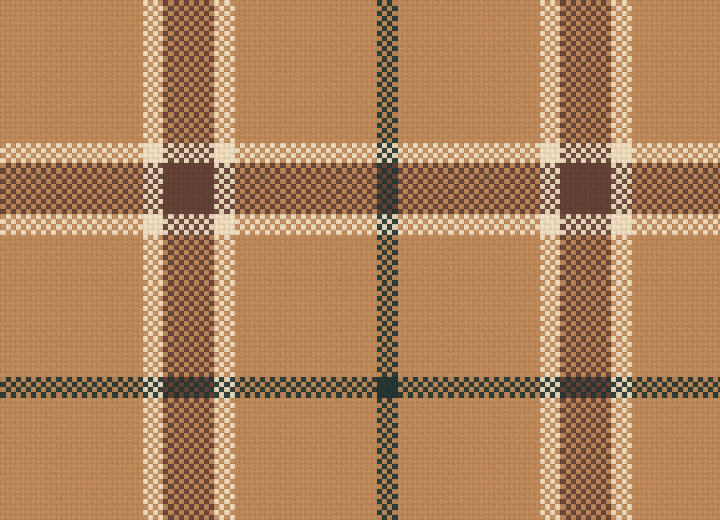
Blanket
A larger soft-wool plaid for blanket, throw, and home textile colorway exploration.
28a4b10c4b28a4d / 28a4b10c4b28a4d
Edit this fabricTypes of textile weaves
These static weave images are crawlable and each one opens the same pattern in the studio with its formula, colors, and weave structure.
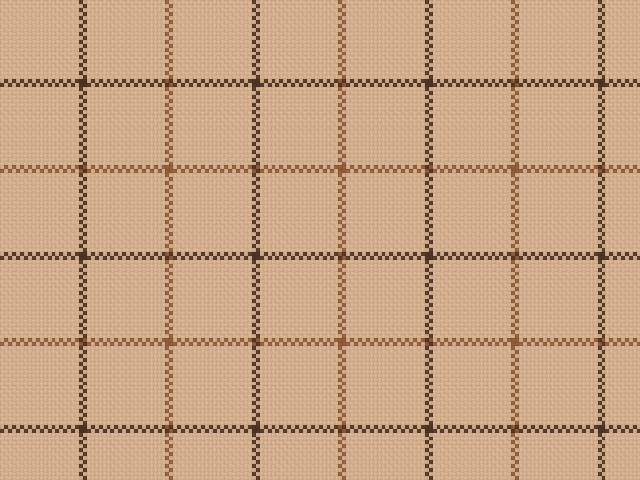
A balanced one-over-one structure for checks, shirting, canvas, linen grounds, and clean warp/weft color studies.
20a2b20a2c / 20a2b20a2c
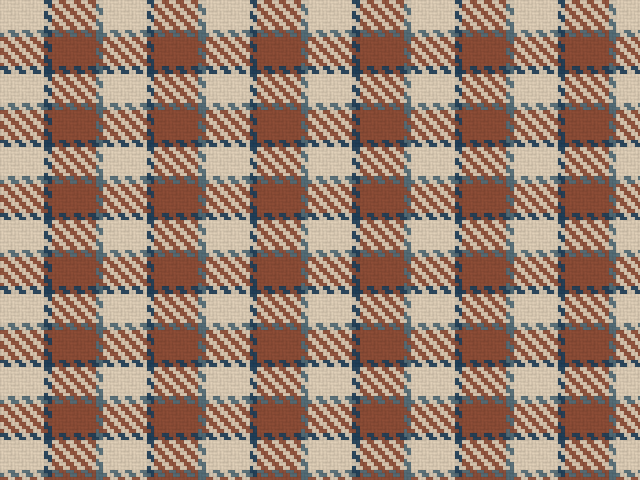
A diagonal interlacing structure used for denim, workwear, suiting, and woven fabrics that need visible direction.
12a2b12c2d / 8a2d8c2b
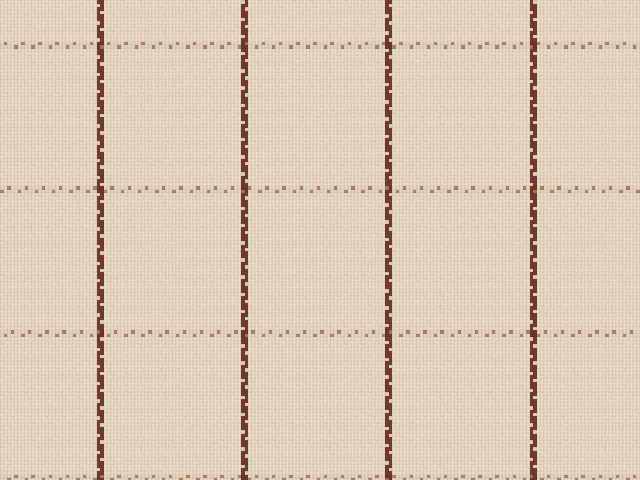
A smoother surface with longer floats, useful when drape, sheen, and a quieter grid matter more than crisp crossings.
28a2b12a / 12a2c28a
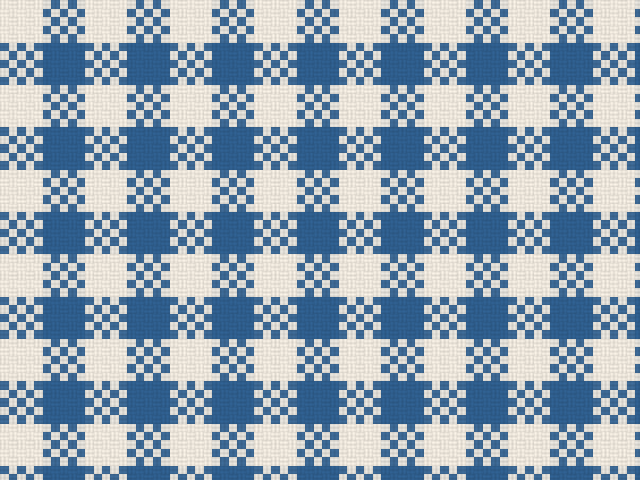
Grouped warp and weft threads create a broader surface, useful for oxford-like grounds and soft everyday textures.
10a10b / 10a10b
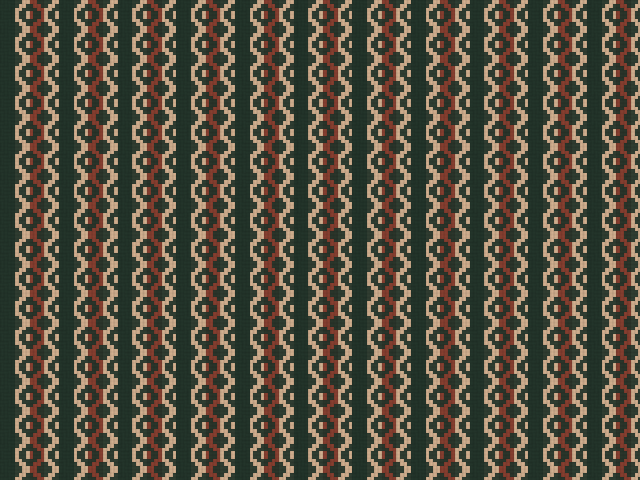
A broken twill direction creates a V-shaped rhythm often used for suiting, coats, upholstery, and tailored texture.
4a4b4c4b / 28a
Plain weave alternates warp and weft in the simplest fabric structure. It is useful for balanced checks, gingham, linen-like surfaces, shirting, canvas, and clean color studies.
Twill shifts the crossing order to create diagonal movement. Denim, suiting, workwear, and many durable fabrics use twill because the weave adds visual direction and body.
Satin separates interlacings to create a smoother surface with longer floats. It is often used when sheen, drape, or a quieter woven texture matters more than a visible grid.
Basket weave fabric examples include oxford cloth, monk cloth, panama-style weaves, broad shirting textures, and casual check fabrics where grouped threads make the surface feel wider or softer.
Many visible textile patterns come from color order rather than a complex draft. Stripes, gingham, plaid, madras, and tartan-inspired layouts depend on warp and weft sequences.
A browser generator helps compare scale, spacing, color hierarchy, and thread crossings before spending time on loom setup, CAD cleanup, or production artwork.
Workflow
Start with plain weave for a neutral grid, twill for diagonal behavior, satin for smoother surfaces, or basket-style logic for broader texture.
Use formulas such as 18a2b18a to define thread counts and color keys in each direction, then decide whether the repeat becomes a stripe, check, plaid, or balanced woven surface.
Open the studio, adjust density and colors, compare fabric examples, then export PNG previews for the strongest textile direction.
FAQ
Textile weaves are fabric structures created by interlacing warp threads and weft threads. The structure controls strength, surface, drape, and how color patterns appear.
The main textile weave families are plain weave, twill weave, satin weave, basket weave, oxford weave, rib weave, and color-patterned variations such as stripes, checks, gingham, plaid, and tartan-inspired repeats.
Fabric weave patterns describe how warp and weft threads interlace and how colored thread sequences repeat. A simple weave can still create visible stripes, checks, plaid, or patterned weave effects when the color order changes.
Common basket weave fabric examples include oxford shirting, monk cloth, panama weave, broad basket-style checks, and other fabrics where two or more threads are grouped before interlacing.
You can generate stripe, check, gingham, windowpane, madras, plaid, and tartan-inspired textile weave patterns by changing the warp formula, weft formula, colors, density, and thread scale.
The warp sets the vertical thread order and the weft sets the horizontal thread order. When color bands cross, they create checks, stripes, plaids, and other woven pattern effects.
Yes. TextileWeave lets you enter warp and weft formulas, choose thread colors, preview woven fabric examples, and export PNG pattern images from the browser.